Are Solar Batteries Worth It in the UK?
By Rob Hammond · Updated June 2026 · How we score
A home battery can be worth it — but it depends as much on your tariff as your solar.
The two ways a battery saves money
- Storing your own solar so you use it in the evening instead of importing.
- Off-peak arbitrage — charging from a cheap night-rate tariff and using that stored energy during expensive peak hours.
In 2026, with wide gaps between off-peak and peak rates, point 2 often does more of the heavy lifting than people expect.
When a battery is worth it
- You’re on (or can switch to) a time-of-use tariff with a cheap off-peak window.
- You have high evening usage you can shift onto stored energy.
- You have solar and currently export a lot at a low rate.
When it’s harder to justify
- Low overall electricity use.
- A single flat-rate tariff with no cheap window.
- A tight budget where extra panels would pay back faster.
What size?
Match usable capacity to your overnight + evening use — for many homes that’s 5–13 kWh. Compare options on our home battery storage page, and check the Smart Export Guarantee so you’re paid fairly for any surplus.
FAQs
Do I need solar panels to have a home battery?
No. A battery can be charged from cheap off-peak electricity on a time-of-use tariff and discharged at peak times, saving money even without solar — though pairing with solar improves the case.
How long do solar batteries last?
Most modern LFP home batteries are warrantied for around 10 years and rated for thousands of cycles, typically retaining 60–70% capacity at end of warranty.
Related products
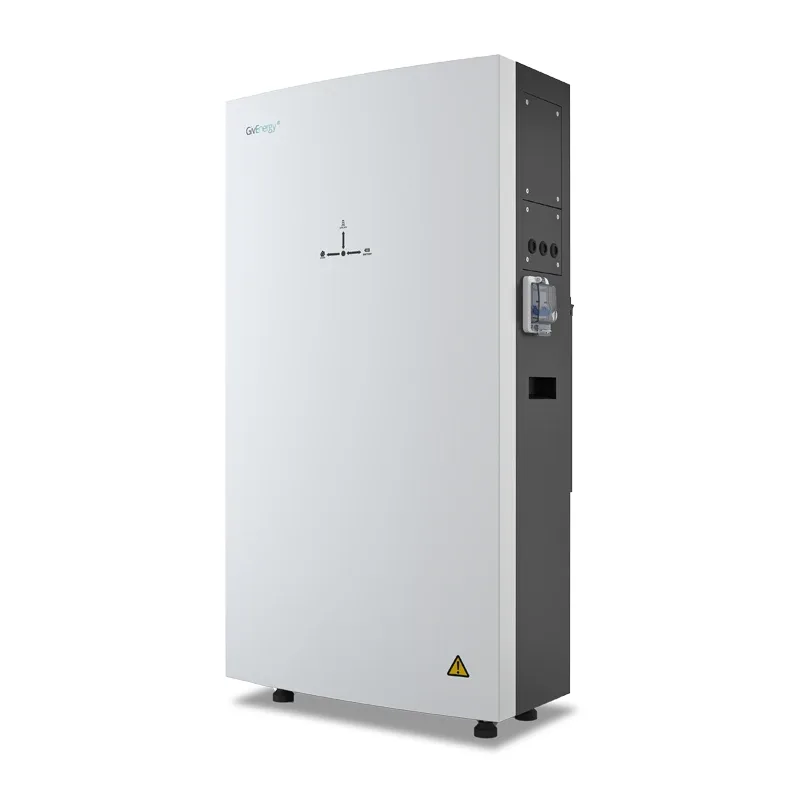
GivEnergy All in One
Integrated battery, inverter and gateway in one cabinet, with whole-home backup. A strong fit for storage on a single unit — but check warranty support given GivEnergy's recent administration.
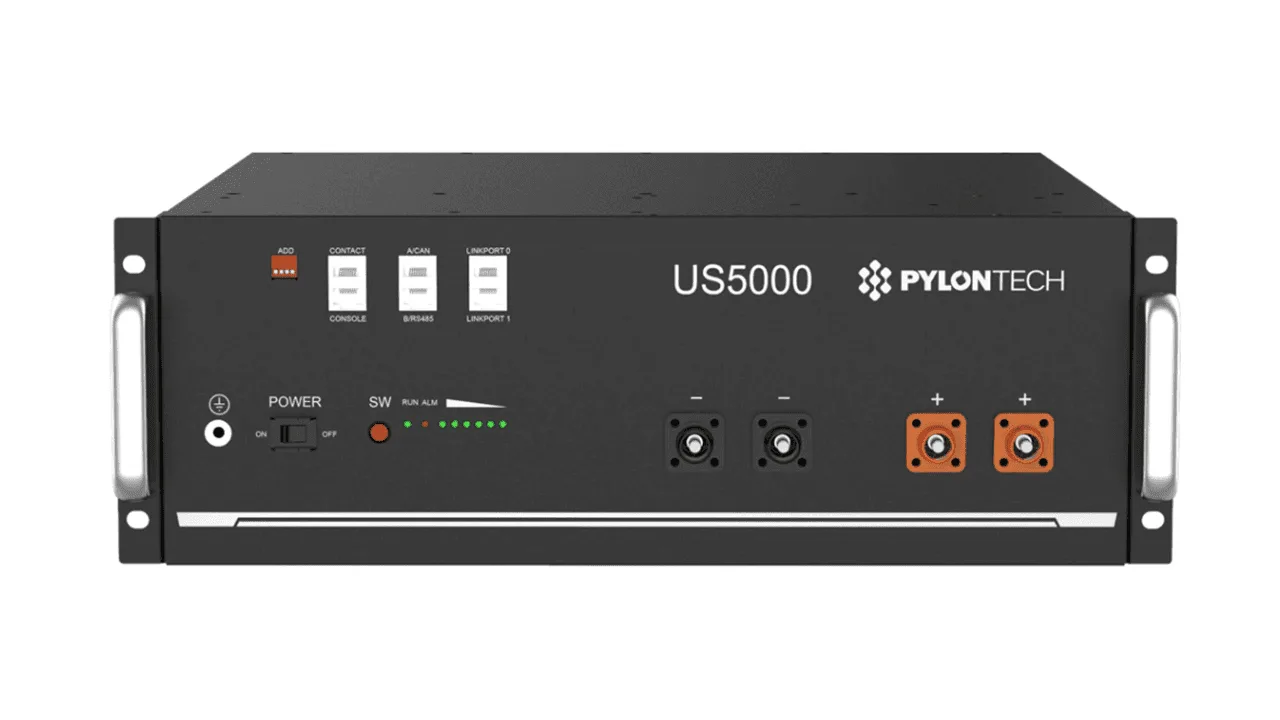
Pylontech US5000
Popular 4.8kWh LFP module designed to stack (up to ~16 units) for low-voltage hybrid inverter systems.