Home Battery Storage Without Solar: Worth It in 2026?
By Rob Hammond · Updated September 2026 · How we score
PowerGuide is reader-supported. We may earn a commission from links on this page. It never affects our rankings or what we recommend. Learn more
A home battery is usually sold alongside solar, but it works perfectly well on its own. The trick is your tariff, not panels.
How off-peak arbitrage works
On a time-of-use tariff you get a cheap overnight window. As of 20 September 2026, Intelligent Octopus Go charges 8p/kWh between 23:30 and 05:30, against an average capped day rate of 26.32p/kWh for 1 October to 31 December 2026, a spread of 18.32p. A battery:
- Charges overnight at the cheap rate.
- Powers your home through the expensive daytime/peak hours.
You’re effectively buying all your peak electricity at the off-peak price.
What you can save
It depends almost entirely on how much electricity you use outside the cheap window, and that is a smaller number than most people assume. On Ofgem’s own multi-rate consumption values and day/night split, arbitrage is worth roughly £191 a year on a low-use household, £342 on a medium one and £506 on a high-use one, worked through in full, with the sources, in are solar batteries worth it. Those are hardware-only best cases: on a medium household the payback is longer than most warranties.
A 6-hour overnight window easily fills an ~11kWh battery on a 3.6kW inverter, but filling it is not the same as earning on it.
The 0% VAT bonus
Since February 2024, the installation of a standalone battery charged from the grid is zero-rated for VAT in residential accommodation, but only until 31 March 2027, after which it returns to the 5% reduced rate (HMRC Notice 708/6). On a £5,000 install that is a £250 difference: real, but not on its own a reason to rush.
Which battery for no-solar setups?
Look for an AC-coupled battery, which retrofits to any home without touching your existing wiring much, and the GivEnergy All in One is a good example.
Is it worth it for you?
It stacks up best if you:
- Can switch to a time-of-use tariff with a cheap overnight window.
- Have decent peak-hour usage to shift.
- Want backup or plan to add solar/an EV later.
Work out your numbers with the battery sizing calculator, then compare options on our home batteries page.
FAQs
Can you have a home battery without solar panels?
Yes. A standalone (AC-coupled) battery charges from the grid at cheap off-peak rates and powers your home at expensive peak times. No panels required.
How much can you save with a battery and no solar?
It scales with the electricity you use outside the cheap window. On Ofgem's multi-rate consumption values and the October 2026 price cap, off-peak arbitrage is worth about £191 a year on a low-use household, £342 on a medium one and £506 on a high-use one, before installation, and often over a longer period than the battery's warranty.
Related products
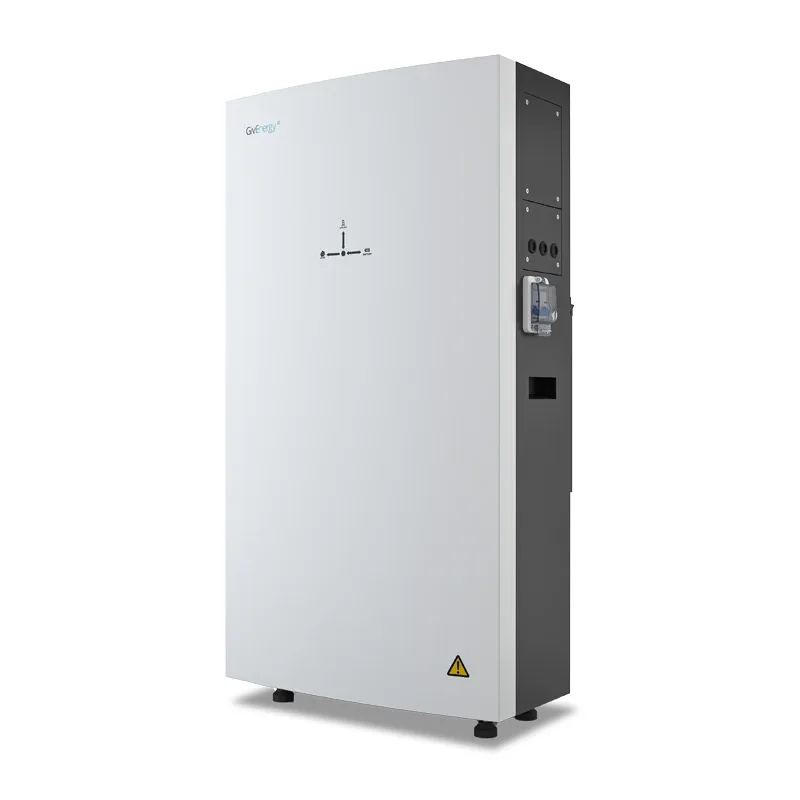
GivEnergy All in One
Integrated battery, inverter and gateway in one cabinet, with whole-home backup. A strong fit for storage on a single unit, but check warranty support given GivEnergy's recent administration.
Tesla Powerwall 3
13.5kWh battery with a built-in solar inverter and class-leading continuous output, including whole-home backup.
Related guides
- Are Solar Batteries Worth It in the UK? (2026)
Two worked payback calculations for UK home battery storage in 2026, using indicative catalogue prices, the October 2026 price cap and Ofgem's own day/night consumption split, including the cases where the answer is no.
- How Much Battery Storage Do I Need?
A simple way to size a home battery, based on your daily usage, peak-hour demand and whether you have solar.