How Much Battery Storage Do I Need?
By Rob Hammond · Updated June 2026 · How we score
The goal isn’t to store all your electricity — it’s to store enough to avoid buying at peak prices. Here’s how to land on a sensible number.
Step 1: Know your daily usage
Check a recent bill or smart meter for your average daily kWh. UK homes typically use 8–15kWh/day, more with an EV or electric heating.
Step 2: Estimate your peak-hour share
How much of that do you use during expensive peak hours (roughly late afternoon to evening)? For many homes it’s 50–70%. That peak-hour energy is what a battery lets you buy cheaply overnight instead.
Step 3: Size to the shiftable load
Add ~20% headroom to your peak-hour usage. For example, a home using 10kWh/day with 60% in peak hours wants to shift ~6kWh, so an ~7kWh usable battery is a good fit. Try the battery sizing calculator for your numbers.
With solar vs without
- With solar: also size for storing daytime surplus to use in the evening — you may want a little more capacity.
- Without solar: size purely for off-peak arbitrage — there’s no point storing more than you can charge in the cheap overnight window. A 3.6kW battery fills ~11kWh in a 6-hour window.
Don’t forget power (kW)
Capacity (kWh) sets how long it runs; power (kW) sets how much it can deliver at once. For whole-home backup you want higher power — see our all-in-one batteries, where models like the Powerwall 3 lead on output.
FAQs
What size battery for a typical UK home?
Most homes are well served by 5–13kWh of usable capacity. Size it to cover the electricity you use during expensive peak hours, plus a little headroom — not your entire daily use.
Can a battery be too big?
Yes. If you can't charge and discharge it fully each day, the extra capacity sits idle and slows your payback. Match capacity to what you actually shift off peak.
Related products
Tesla Powerwall 3
13.5kWh battery with a built-in solar inverter and class-leading continuous output, including whole-home backup.
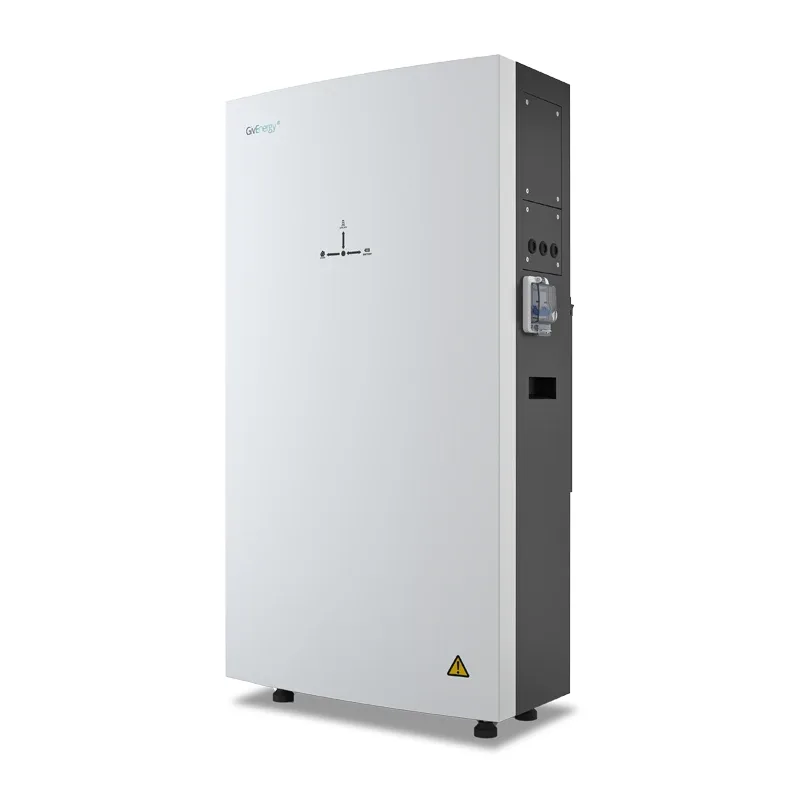
GivEnergy All in One
Integrated battery, inverter and gateway in one cabinet, with whole-home backup. A strong fit for storage on a single unit — but check warranty support given GivEnergy's recent administration.
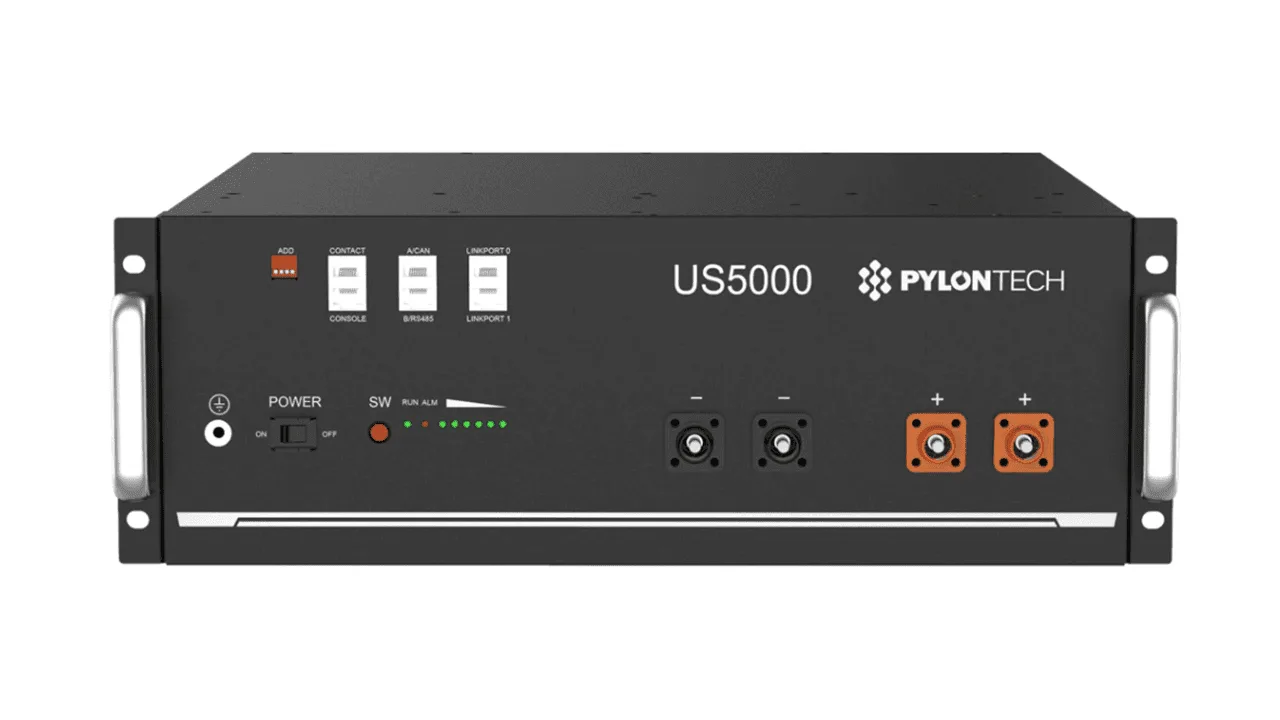
Pylontech US5000
Popular 4.8kWh LFP module designed to stack (up to ~16 units) for low-voltage hybrid inverter systems.